English
  French
  German
  Spanish
  Portuguese
  Dutch
Dutch  Italian
  Russian
  Chinese
  Japanese
  Korean
  Indonesian
  Thai
Thai  Vietnamese
  Arabic
  Turkish
  Hebrew
  Hindi
Hindi 

Industry news
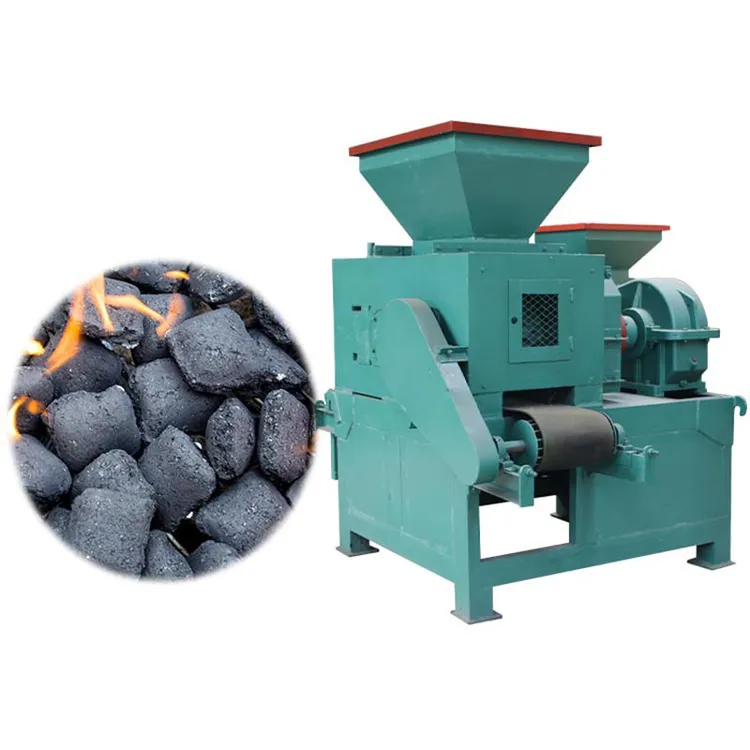
A coal and charcoal briquetting machine processes fine coal dust or carbonized biomass powder into solid briquettes. By using pressure and a binder (like cornstarch), it maximizes fuel value and reduces waste. These machines range from $2,320 to $3,680 depending on the production scale.
How the Briquetting Process Works
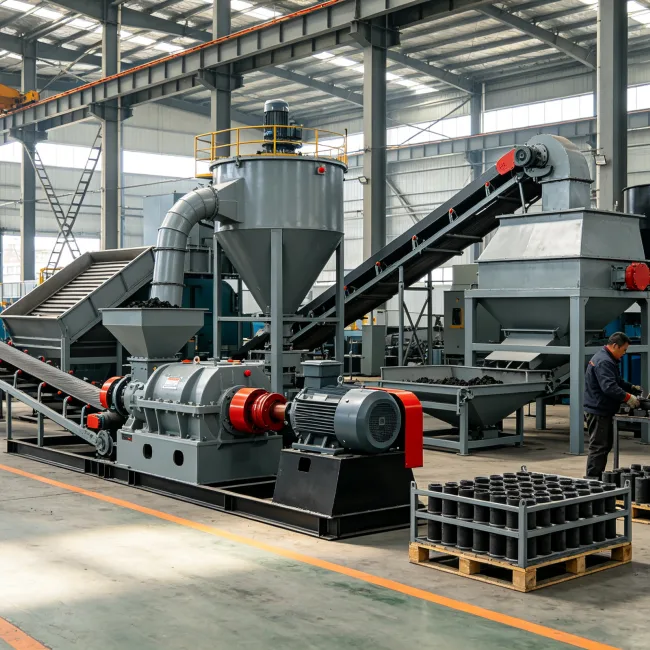
To produce high-quality, dense briquettes without cracks, you need to follow a four-step process:
- Crushing: Raw material (lump charcoal or coal) must be crushed into a fine powder, ideally under 3 mm to 5 mm in size.
- Mixing: The dry powder is mixed thoroughly with liquid water and a binder (e.g., 3% to 5% food-grade starch) so every particle is evenly coated.
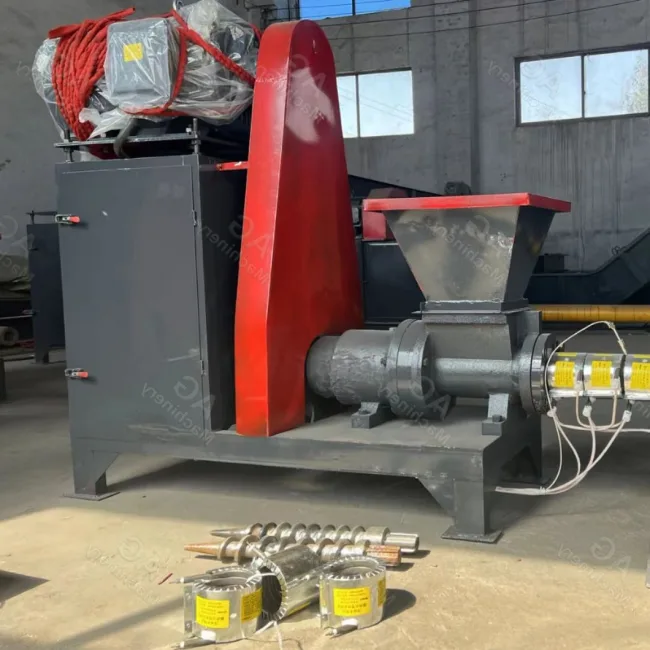
- Briquetting: The damp, mixed material is fed into the machine. Different types of equipment (such as screw extruders or roller presses) compact the material into shapes like pillows, hexagons, or squares.
- Drying: Fresh briquettes are very fragile and contain up to 25% moisture. They must be dried in a well-ventilated room until moisture drops below 5% to yield solid, usable fuel.
Types of Machines Available
- Screw Extruders: Uses a propulsion shaft to push mixed material through a mold. Excellent for making long charcoal sticks, barbecue pellets, or hexagonal/square logs (with or without a center hole).
- Roller Press Machines: Features dual rollers with distinct indentations used primarily to press coal or charcoal powder into pillow or ball-shaped briquettes.
- Honeycomb Briquette Press: An older, specialized vertical press that shapes material into classic cylinder “honeycomb” briquettes used widely in household stoves in certain regions.
If you’re planning a production line, tell me:
- What is your raw material (e.g., coconut shell, wood charcoal, anthracite coal)?
- What shape and size do you want to produce?
- What is your target production capacity (e.g., kg/hour or tonnes/day)?
Get A Quote
If you are looking for reliable coal & charcoal briquetting equipment, send us your raw material type, required hourly output, local working voltage and target briquette shape. Our professional engineering team will customize a complete production solution and send you the detailed quotation within 24 hours. Get one-on-one technical support, plant layout suggestion, long-term spare parts supply and after-sales service. Contact us now to start your briquette manufacturing business!